Normalising ties between UAE and Israel a historic diplomatic breakthrough: H.H. Sheikh Abdullah bin Zayed
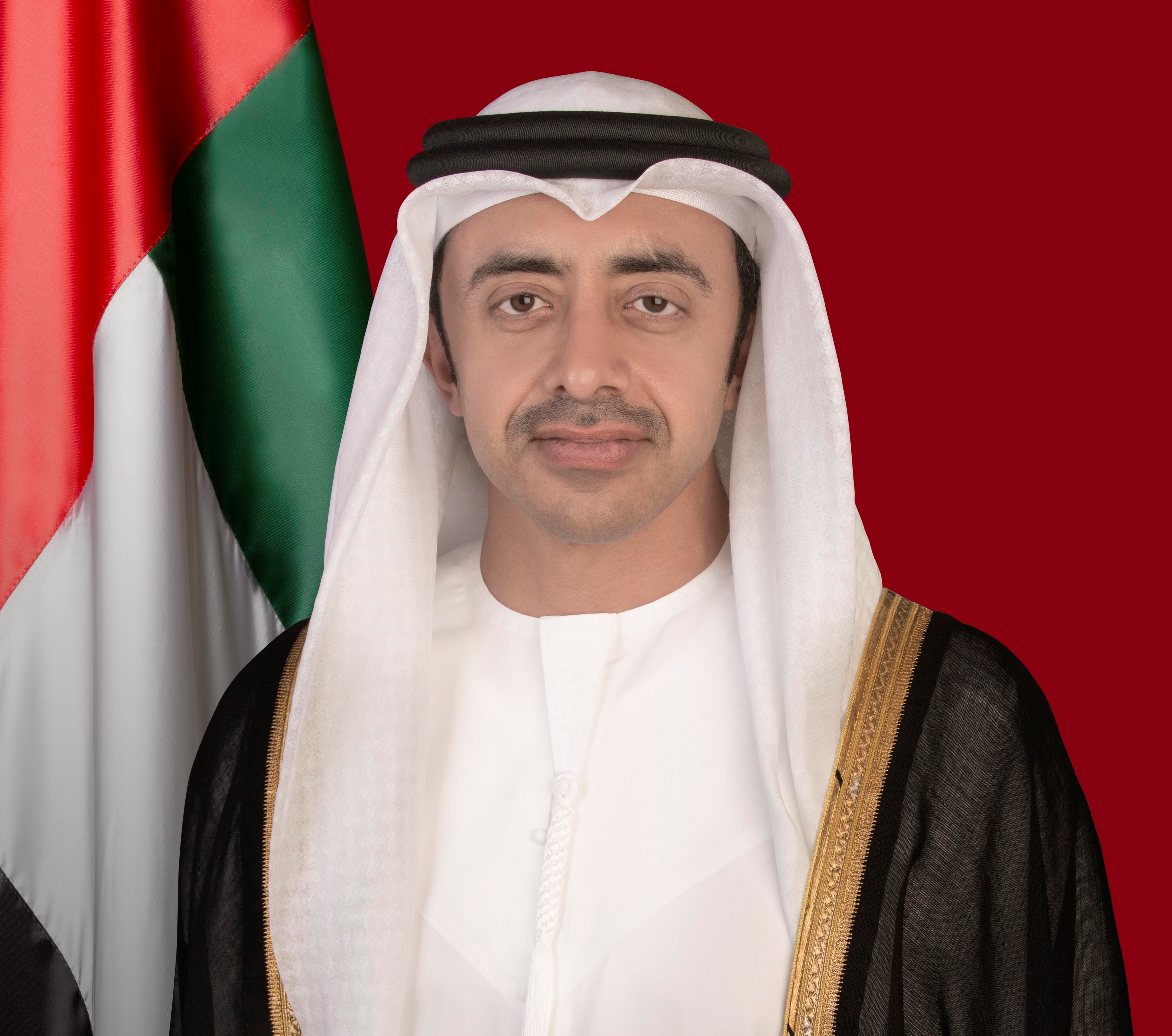
The normalisation of ties between the United Arab Emirates and Israel is a historic diplomatic breakthrough and a hopeful sign that progress in the Middle East is possible, said H.H. Sheikh Abdullah bin Zayed Al Nahyan, Minister of Foreign Affairs and International Cooperation.
In a commentary published today by Wall Street Journal, Sheikh Abdullah said the progress on Palestinian statehood is also central.
"The UAE-Israel accord stopped annexation. The Palestinian leadership should use this moment to reorganise its approach and prepare to re-engage in productive discussions. As always, they will have the UAE’s full support, now carried with more weight directly to Israel. The pace and scope of normalisation won’t be disconnected from progress on Palestinian statehood and rights," he added.
Below is the full transcript: "Two weeks ago, the first Israeli commercial flight landed in Abu Dhabi from Tel Aviv. Along with a large delegation of Israeli officials and media, it carried a bigger message, written in 2-foot-high letters in three languages on the side of the El Al aircraft: Peace. Shalom. Salaam.
"Normalising ties between the United Arab Emirates and Israel is a historic diplomatic breakthrough and a hopeful sign that progress in the Middle East is possible. Last week came an announcement that Bahrain would also normalise ties with Israel. This is an opportunity for a fresh approach to tackling the region’s challenges. In an area and era all too rife with bad news, it elevates opportunity and optimism over conflict and defeatism.
"Overcoming these forces will be difficult. Non-Arab countries and a mob of nonstate actors exist in a warped axis of perpetual resistance. They advocate one brand or another of extremism. They are nostalgic over lost empires or obsess over a new caliphate. They produce and thrive on conflict, disorder and instability. They bash America, Israel and the UAE They have been the most vicious critics of normalisation.
"The signing of the peace accord this week is the virtuous response. It is a disruptive reminder that Emiratis and Israelis, and all the people of the Middle East, are tired of conflict. The priority now is to continue to modernise our societies and to stabilise the broader region. Better ties between Arab states and with Israel will help, but we must go further and faster on other fronts.
"The first and most urgent priority is to de-escalate tensions and begin a regional dialogue on peace and security. We want normal neighbours. Effective and verifiable nonproliferation and noninterference pacts are the goal. But with expectations so low and the stakes so high, even modest progress on issues like humanitarian assistance and coronavirus response would build confidence.
US support and participation for such an effort is critical. President Trump has called for new talks next year, and former Vice President Joe Biden has made clear he would pursue a new initiative as well. Gulf states must participate directly in any dialogue and the agenda must be comprehensive.
"A second priority is to expand a community of peaceful coexistence. Perpetual resistance and sectarian extremism have delivered a deadly and decades-long pandemic of chaos and strife. In the Emirates, we are trying to set a different example. We are committed to the true tenets of Islam moderation, inclusion and peace. We hosted the first ever visit of the pope to the Arabian Peninsula last year. We are building an interfaith Abrahamic Family House in Abu Dhabi, with a mosque, church and synagogue in the same complex.
"The third priority is to build a powerful engine of economic and cultural exchange that generates opportunity and understanding across the region. From the Gulf to the Red Sea through the Suez Canal and into the Eastern Mediterranean, the extended Arabian Peninsula is the crossroads of the world. The UAE and Israel must use their advanced economies and infrastructure, large markets, investment funds, educational institutions and human capital to ensure that Jordanians, Egyptians, Palestinians, and others benefit.
"Progress on Palestinian statehood is also central. The UAE-Israel accord stopped annexation. The Palestinian leadership should use this moment to reorganise its approach and prepare to re-engage in productive discussions. As always, they will have the UAE’s full support, now carried with more weight directly to Israel. The pace and scope of normalisation won’t be disconnected from progress on Palestinian statehood and rights.
Finally, normalisation signifies both the importance of and the shift in America’s role in the Middle East. Normalisation could happen only with the influence of American diplomacy and the reassurance of its security commitments. At the same time, the US gains by divesting more of the burden for regional stability to a stronger team of dependable and willing partners.
"In a difficult year in a difficult region, the peace accord is a bright starting point for the Middle East’s future. The UAE and Israel are off to an energetic beginning with cooperation on the coronavirus and technology, space and energy, investment and food security. Emirati young people are learning Hebrew. UAE universities will begin accepting Israeli students. Regular flights will start next year. These and thousands of other small and large steps will carry the message of peace, shalom and salaam throughout the region."
Related News
UAE Strongly Condemns Targeting of World Food Programme Aid Convoy in Sudan
The United Arab Emirates has strongly condemned the aerial attack on two trucks contracted by the World Food Programme (WFP) that were transporting food supplies between Dilling and Kadugli in South Kordofan State, Sudan. The attack resulted in the death of one driver.
View Details
UAE Expresses Solidarity with Zimbabwe and Conveys Condolences Over Victims of Helicopter Crash
The United Arab Emirates has expressed its solidarity with the Republic of Zimbabwe following a helicopter crash, which resulted in a number of deaths.
View Details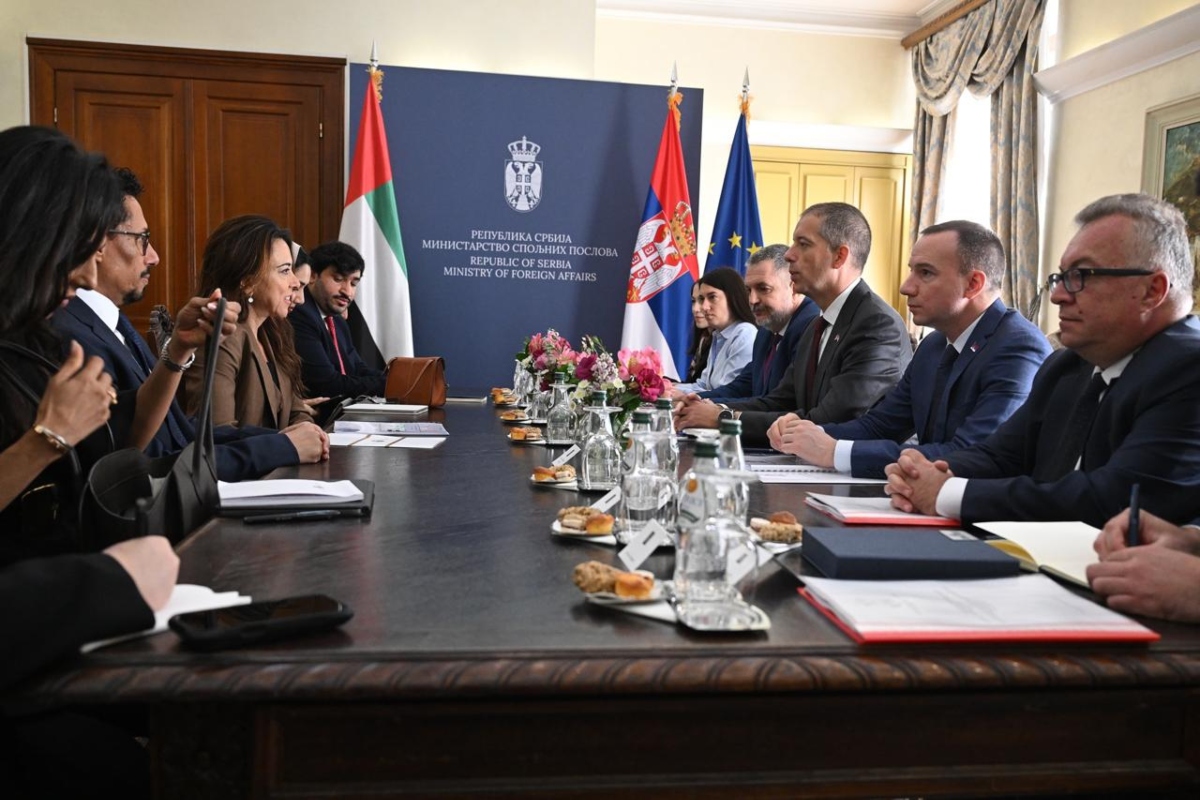
UAE and Serbia Hold First Round of Political Consultations
The United Arab Emirates and the Republic of Serbia convened the first round of political consultations in Belgrade. The meeting was co-chaired by H.E. Lana Nusseibeh, Minister of State, and H.E. Marko Đurić, Minister of Foreign Affairs of Serbia.
View Details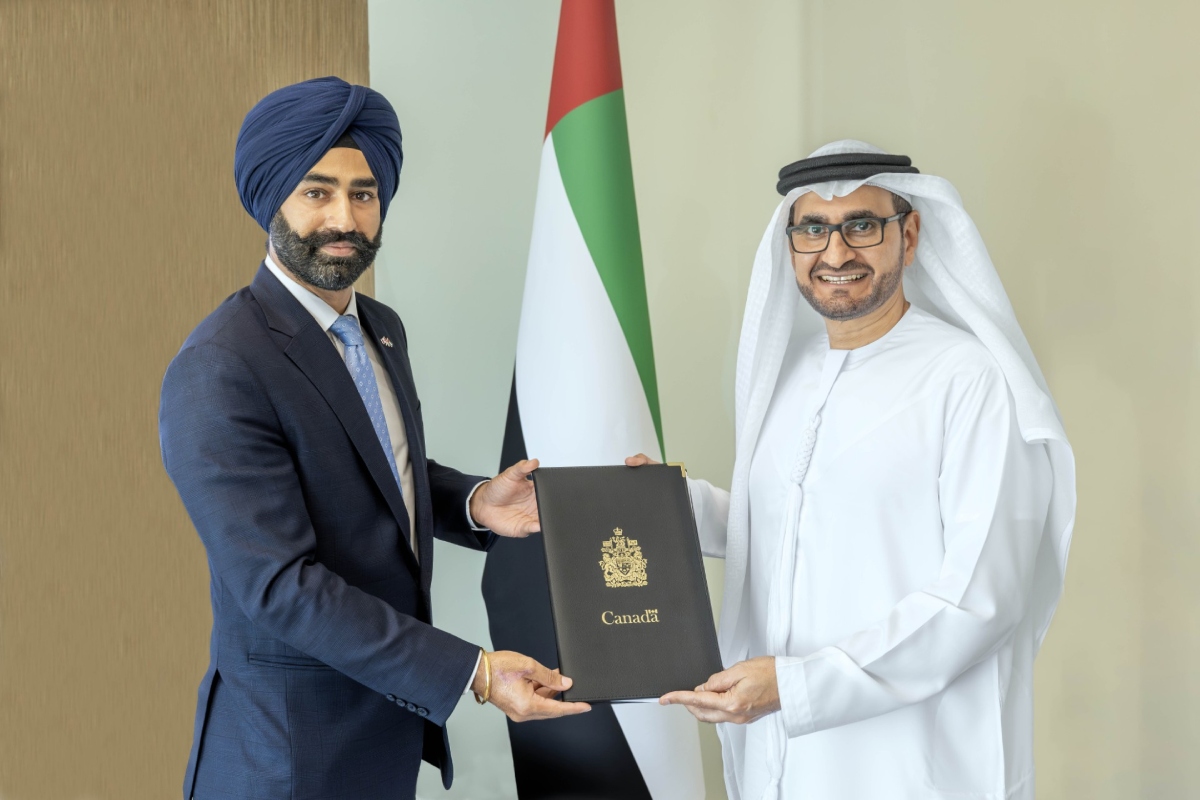
MoFA Undersecretary Receives Copy of Credentials from the Ambassador of Canada
H.E. Omar Obaid Alhesan Alshamsi, Undersecretary of the Ministry of Foreign Affairs, received a copy of the credentials of H.E. Angad Singh Dhillon, Ambassador of Canada to the United Arab Emirates.
View Details