Most hunger today is a self-inflicted wound. Six out of ten of the world's hungry live in countries at war with themselves, affecting more than 400 million people. Conflict causes hunger and hunger leads to conflict in a vicious cycle. The resulting tide of hungry refugees and economic migrants threatens to destabilize entire regions.
The World Food Programme has been awarded the Nobel Peace Prize for 2020 for "its efforts to combat hunger, for its contributions to bettering conditions for peace in conflict-afflicted areas, and for acting as driving force to prevent the use of hunger as a weapon of war and conflict."
In recent years, the UAE has become one of the leading donors to WFP and has provided USD 650 million to support WFP’s operation during the last 2 year. The UAE now hosts WFP's largest office outside its headquarters in Rome and the most important logistics hub in the UN system at the International Humanitarian City in Dubai. WFP and the UAE have become close partners as first responders, moving aid quickly and efficiently in times of crisis.
While starvation in conflict zones easily draws attention in the media, chronic hunger does not. Sadly, ending this hunger is the UN Sustainable Development Goal on which we as an international community have made the least progress. There are so many drivers behind it: poverty, discrimination against women and minorities, environmental degradation, and insufficient investment in agriculture. With each passing year, climate change inflicts more harm on farmers as they struggle to cope with rising temperatures and cruel cycles of flood and drought. After harvest, an astonishing 1.3 billion metric tons of food simply go to waste each year.
Add COVID-19 to the global hunger equation and we could soon see another pandemic -- a hunger pandemic as brutally relentless as the virus itself. COVID-19 has taken over 1.5 million lives already. If we allow it to create a second pandemic of hunger and malnutrition, the cost in lives lost will be far more devastating. Hunger and malnutrition are already efficient killers taking millions of lives of over 3 million children under 5 each year. We cannot allow the spread of COVID-19 to add fuel to that fire.
As we continue to step up efforts to fight the COVID-19 pandemic and hunger around the world, the WFP/UAE air bridge, moving supplies and people, is a perfect example of global solidarity. By unifying our efforts, we can save lives and make an impact on those who need it the most.
The COVID-19 pandemic has eaten into harvests, disrupted supply chains, and decimated the incomes of tens of millions of households. Where food is available, each day more people lack the money to buy it. All told, 270 million people may find themselves in an extreme hunger crisis in 2021 including some 30 million people who are already at the brink of starvation
The Way Forward
First, we must press all parties to honor the UN Secretary-General's call for a global ceasefire. If most hunger stems from politics, we need political solutions. Brokering peace will not only curb outbreaks of hunger in war zones, it will help stem the surge of refugees and economic migrants now overwhelming many host countries.
Second, we must pre-position food in the most vulnerable regions by year's end. This is not just a task for governments. The private sector should step up to help, with both funding and expertise. Avenue for more collaboration between the institutional donors and the private sector should be further explored.
Third, better targeting of aid to focus more on women and girls would surely pay off, as they are most often the victims of malnutrition. It is not enough for us to save lives if we do not fundamentally change lives.
Finally, we must build resilience in societies so they can better withstand shocks like COVID-19 in the future. We must start with youth. School closures have ended school meals for 370 million school children around the world and WFP, with help from the UAE, is already providing take-home rations, vouchers, and cash transfers to help strengthen nutrition and prevent disease among these children. We cannot let a generation in the developing world become collateral damage in this pandemic -- malnourished and uneducated, with little hope of leading productive lives.
If the COVID-19 pandemic has taught us anything, it is solidarity and sincere collaboration. Even in wealthy nations, families with jobs one day could find themselves relying on government aid or food banks the next. Tens of millions in the developed world today no longer take food for granted and share the worries of the world's poor in a way we never imagined possible. Perhaps in the pain COVID-19 has thrust upon us, we can finally come together and work towards building a world without hunger.
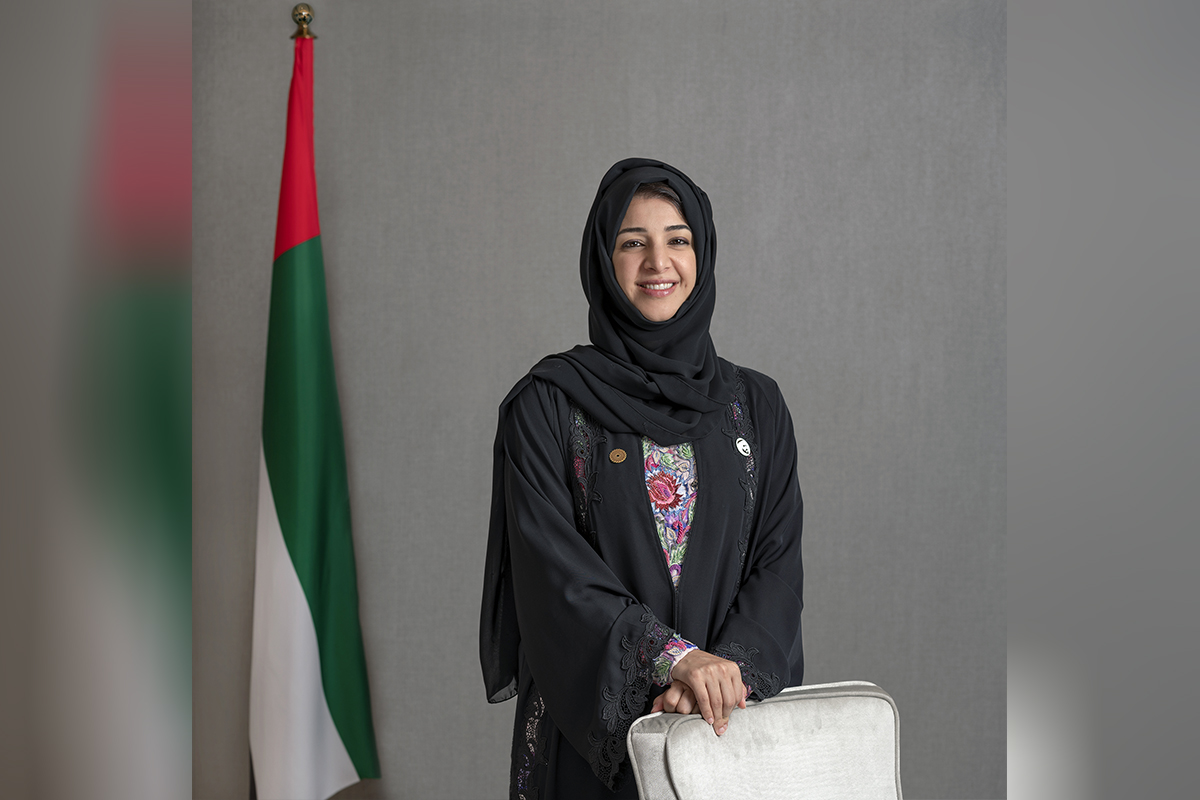
H.E Reem Al Hashimy, UAE Minister of State for International Cooperation
David Beasley, WFP Executive Director
Related News

Noura Al Kaabi Participates in Panel Discussion at Forbes 30/50 5-Year Anniversary Summit on Women’s Role in Leadership Across Borders and Generations
Her Excellency Noura Al Kaabi, Minister of State, participated in a panel discussion alongside Hillary Clinton, former United States Secretary of State, at the Forbes 30/50 Summit 5-year anniversary, in a session entitled ‘Across Borders and Generations: Women Defining Global Leadership’.
View Details
UAE Expresses Solidarity with Indonesia and Conveys Condolences over Victims of Fires in East Java
The United Arab Emirates has expressed its solidarity with the Republic of Indonesia following fires in East Java Province, which resulted in a number of deaths.
View Details
MoFA Receives Consular Credentials from Consul General of the Republic of Türkiye
Eng. Rashid Abdulla Al Qaseer, Director of MoFA’s Dubai Office, received the consular credentials from Mr. Selcuk Ozcan, Consul General of the Republic of Türkiye in Dubai and the Northern Emirates.
View Details
Abdullah bin Zayed receives Canadian Foreign Minister
H.H. Sheikh Abdullah bin Zayed Al Nahyan, Deputy Prime Minister and Minister of Foreign Affairs, received Anita Anand, Canada's Minister of Foreign Affairs. During the meeting, the two sides discussed bilateral relations, areas of joint cooperation and ways to strengthen them in support of their mutual interests.
View Details